One-Sided and Obsessed: What Our Love for Strangers Online Says About How Lonely We Really Are
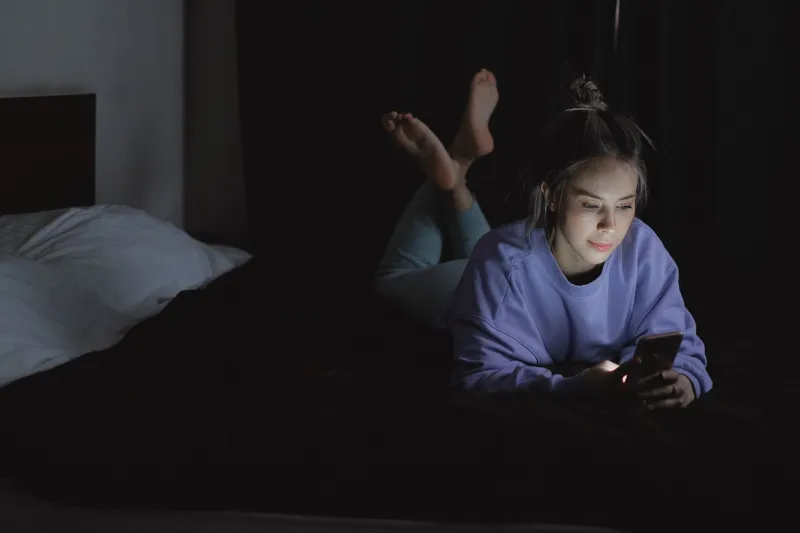
Let me confess something a little embarrassing. A few months ago, one of my favorite podcasters announced she was taking a six-week hiatus. My immediate reaction — before I even registered what she said — was a genuine pang of loss. Not disappointment. Loss. Like a friend had told me she was moving across the country.
She does not know my name. She has never seen my face. And yet there I was, sitting in my car in a parking lot, feeling genuinely bummed out about someone I have never met.
If you've felt something similar — and I'm betting most of you have — welcome to the parasocial relationship club. Membership is free, the emotional investment is surprisingly high, and we need to talk about what's actually going on here.
So What Even Is a Parasocial Relationship?
The term sounds clinical, almost cold. Parasocial relationships were first described by sociologists Donald Horton and Richard Wohl back in 1956, when they noticed that television audiences were developing oddly personal feelings toward on-screen personalities. The viewer felt connected. The performer had no idea the viewer existed. One-sided, by definition.
Fast forward to 2024, and the phenomenon has exploded in ways those researchers couldn't have imagined. We're not just watching TV personalities anymore — we're following creators who film themselves eating breakfast, narrating their therapy breakthroughs, and sharing their skincare routines at 11pm. The intimacy feels real because, in a lot of ways, it mimics real intimacy. The format is confessional. The delivery is casual. And the algorithm keeps serving it to you every single day, reinforcing the sense that this person is just... part of your life now.
The Dopamine Loop Nobody Warns You About
Here's the part that gets genuinely uncomfortable. Content consumption — especially the kind built around a specific personality — triggers the same neurological reward pathways as actual social interaction. Your brain doesn't fully distinguish between "I had coffee with my friend Mia" and "I watched my favorite creator's morning vlog." Both register as social contact. Both release dopamine.
The problem is that one of those experiences is real and reciprocal, and the other is a loop you can replay infinitely without any of the friction, vulnerability, or unpredictability of an actual relationship. You never have to show up for a creator. You never have to be patient, or forgiving, or honest. You just consume.
Psychologists have started flagging this as a genuine concern, particularly for younger audiences. When parasocial relationships become a substitute for real-world connection — rather than a supplement to it — they can actually deepen loneliness over time. You feel socially "full" without doing any of the work that builds true intimacy. And then you wonder why you feel hollow.
But Let's Not Demonize the Whole Thing
Here's where I want to pump the brakes on the doom spiral, because I don't think parasocial relationships are inherently toxic. Not even close.
For a lot of people — especially those navigating social anxiety, geographic isolation, disability, or major life transitions — content creators genuinely provide something meaningful. A sense of companionship during lonely nights. Exposure to perspectives and communities you'd never encounter otherwise. A sense of belonging to something larger than yourself.
I've heard from people in Anna World's community who found their confidence through watching someone else be unapologetically themselves online. People who felt seen by a creator talking about something they'd never heard discussed out loud. That's not nothing. That's actually kind of beautiful.
The question isn't whether parasocial relationships are good or bad. It's whether they're additive or substitutional in your life.
The Creator Side of This Is Complicated Too
As someone who puts content out into the world, I'll be honest — this topic hits differently from where I'm standing. There's a strange responsibility that comes with knowing people feel genuinely connected to you. It's flattering. It's also, sometimes, a lot.
Creators are increasingly aware of the dynamic they're part of. The ones doing it thoughtfully are trying to foster community rather than dependency — encouraging their audiences to nurture offline friendships, take breaks from screens, invest in their real lives. The ones doing it less thoughtfully are actively engineering attachment, because engaged audiences are monetizable audiences. That distinction matters enormously, and it's worth paying attention to which camp your favorite creators fall into.
What the Loneliness Epidemic Has to Do With All of This
You can't talk about parasocial obsession without talking about the broader context it lives in. The US Surgeon General declared loneliness a public health epidemic in 2023. Studies consistently show that Americans — especially younger Americans — are reporting fewer close friendships, less community involvement, and deeper feelings of disconnection than any generation before them.
Into that void steps the creator economy, offering the aesthetic of intimacy without the requirements. It makes sense that we reach for it. Of course we do. We are wired for connection, and when the real-world infrastructure for connection starts to crumble, we improvise.
But improvised connection has limits. A parasocial relationship can make you feel less alone in a moment. It cannot hold your hand in a waiting room. It cannot call you back. It cannot grow with you.
Finding the Balance (Without Feeling Guilty About It)
I'm not here to tell you to unsubscribe from everyone you love online. That would be wildly hypocritical of me, and also just... not realistic. What I do think is worth doing is getting honest with yourself about the role these relationships play in your emotional life.
Are you turning to content consumption when you're lonely instead of reaching out to an actual person? Are you more emotionally invested in a creator's relationship drama than in conversations with people in your own life? Does the idea of a creator quitting feel genuinely destabilizing?
None of those things make you broken or pathetic. They make you human in a world that has made real connection increasingly inconvenient. But noticing them is the first step toward making sure you're not outsourcing your whole emotional life to someone who streams their mornings for a living.
The parasocial pull is real. The loneliness underneath it is real. And the need to do something about that part — the actual root — is the most real thing of all.