Dirty Dishes, Real Connections: Why Your Unfiltered Moments Are Outperforming Your Best Shots
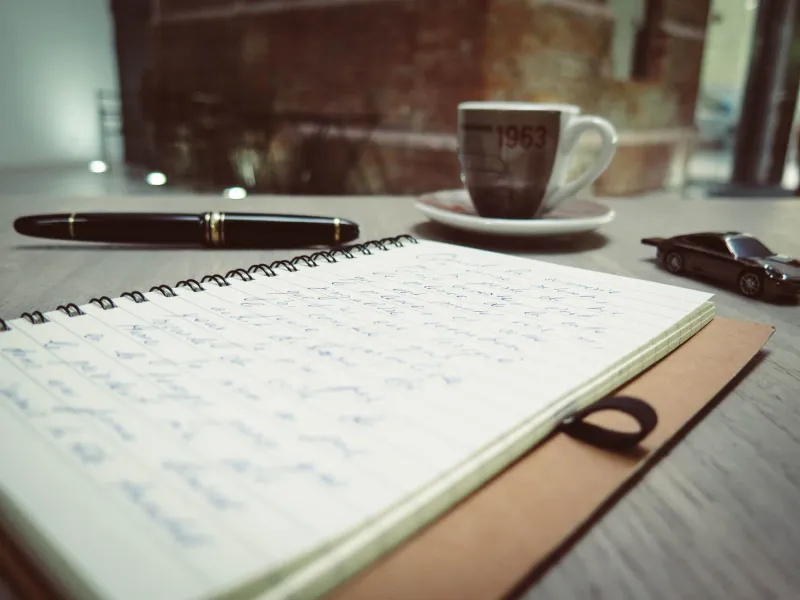
Let me paint you a picture. You spend forty-five minutes staging the perfect flat lay — fresh flowers, a latte with actual latte art, your new notebook open to a clean page. You post it. Forty-seven likes. Then the next morning, half-asleep, you post a blurry photo of your cat sitting on your laptop while you're trying to work, with a caption that says not today, Gerald. Three hundred likes. A comment thread that won't quit. DMs from strangers who have also been personally victimized by their pets during work hours.
If that sounds familiar, you've already stumbled onto one of the most interesting shifts happening in online culture right now. The polished, aspirational feed is losing ground — and the beautiful disaster of real life is quietly taking over.
The Curated Imperfection Paradox
Here's where it gets a little complicated, though. Because we're not just talking about actually being messy. There's a whole aesthetic that's grown up around looking messy — and it's just as deliberate as any perfectly lit product shot. The unmade bed with the moody morning light. The bookshelf that's chaotically stacked but somehow still photogenic. The mascara-smudged selfie that took four tries to get right.
Is that fake? Kind of. Is it still working? Absolutely.
Psychologists who study social behavior online call this strategic authenticity — the idea that even our most "raw" moments are still being filtered through a layer of self-awareness. We're choosing which messes to show. We're picking the chaos that feels relatable rather than the chaos that feels embarrassing. And that's not necessarily a bad thing. It's just human. We've always curated our self-presentation; we're just doing it with better lighting now.
The key insight is that audiences aren't actually asking for unfiltered reality. They're asking for emotional reality. They want to feel like the person on their screen is a real human being who experiences friction and awkwardness and Tuesday afternoons that just don't go the way they were supposed to.
Why Your Brain Is Wired to Love the Mess
There's solid science behind why imperfection pulls us in. Researchers have found that we tend to trust people more when they show vulnerability — it's called the pratfall effect, and it basically means that a small stumble or flaw actually makes someone more likable, not less. When a person or brand seems too perfect, our guard goes up. Something in us goes, yeah, but what are they hiding?
When someone shows you the stack of mail they haven't opened in three weeks, though? Suddenly they feel like a friend. And we are way more loyal to friends than we are to brands.
This is especially true in the US right now, where there's been a pretty visible cultural pushback against hustle-culture perfection. People are tired of feeling like they're failing at a life that was never real in the first place. Content that says hey, I'm also just figuring it out lands differently than it did five years ago. It lands like relief.
Reframing the 'Flaw' as a Feature
So how do you actually lean into this without just posting random garbage and hoping for the best? Because there's definitely a difference between content that feels humanizing and content that just feels like you gave up.
The trick is reframing. Your messy desk isn't a sign that you're disorganized — it's evidence that you're working. Your fridge that's somehow both overfull and empty at the same time isn't embarrassing — it's a universal experience that half your followers are living right now. Your gym selfie where you look genuinely exhausted rather than glowing isn't a bad photo — it's proof that you actually showed up.
Start noticing the moments in your day that feel frustratingly, hilariously, exhaustingly normal. The stuff you'd never think to photograph because it's just... life. Those are your best raw materials.
A few practical ways to work with this:
Narrate the in-between. Instead of only posting the finished product — the clean apartment, the completed project, the great outfit — show the process. The half-painted wall. The outfit attempt number four. The recipe that did not look like the picture.
Let the caption do the emotional lifting. Sometimes a totally ordinary photo becomes powerful content because of what you say about it. A picture of a cold cup of coffee hits different when the caption is about how you've reheated it four times and you're still not done with it.
Don't perform the mess. This is the line that matters. There's a difference between sharing something that genuinely happened and manufacturing chaos for content. Audiences can usually tell, and manufactured mess feels hollow in the same way manufactured perfection does.
Give context without over-explaining. You don't need to write an essay about why your room is a disaster. A quick, honest caption is enough. Authenticity doesn't require a thesis statement.
What This Means for How You Show Up Online
If you're building any kind of personal presence — whether that's a full-on content creator thing or just showing up as yourself on social media — this shift matters. The highlight reel isn't dead, but it's not enough on its own anymore. People want the highlight reel and the blooper reel. They want to see both versions of you.
And honestly? That's kind of freeing. It means you don't have to wait until everything is perfect to share something. You don't have to have the clean house, the great skin day, the photogenic meal. You just have to be a person, living a life, willing to let people see a little bit of the seams.
That's the whole thing, really. The mess isn't the obstacle to good content. In a lot of cases, the mess is the content.
So maybe let the dishes sit for a second. Take the photo first.