You Feel Like You Know Me — But Do You? The Real Truth About Creator-Fan Connections
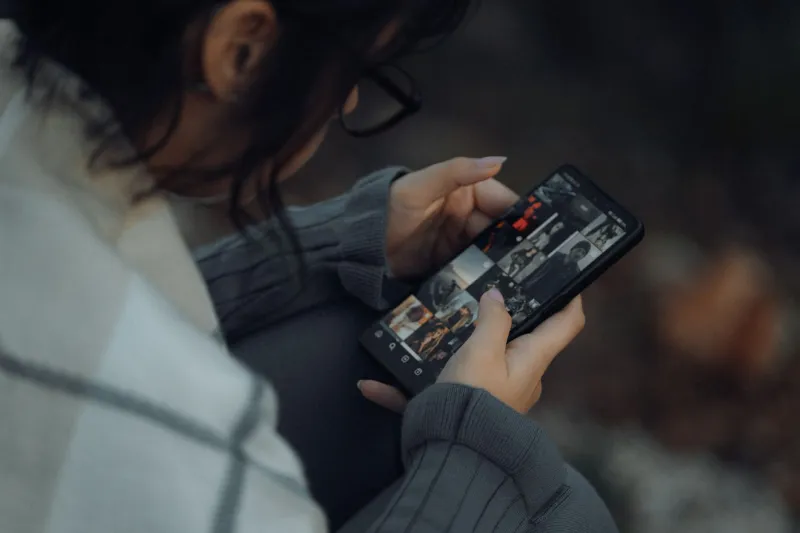
Let me set the scene. I'm at a coffee shop in Nashville, laptop open, working on literally nothing glamorous — a spreadsheet about content scheduling — when someone taps me on the shoulder. She introduces herself, tells me she's been following Anna World for almost two years, and then says something that kind of stopped me in my tracks: "I feel like you're one of my closest friends."
She meant it warmly. And I received it warmly. But on my drive home, I kept turning that phrase over in my head. Because here's the thing — she knows a version of me. A real version, yes. But a curated, camera-facing, highlight-reel-adjacent version. And I don't know her at all.
That's the strange, fascinating, sometimes uncomfortable world of parasocial relationships. And if you've ever followed a creator long enough to feel genuinely invested in their life, you've been in one.
So What Even Is a Parasocial Relationship?
The term was coined back in the 1950s by sociologists Donald Horton and Richard Wohl, who noticed that television audiences were developing one-sided emotional bonds with TV personalities. Fast forward to 2024, and that phenomenon has exploded in ways those researchers couldn't have imagined. YouTube, TikTok, Instagram, podcasts — every platform is basically a parasocial relationship machine.
At its core, a parasocial relationship is when one person (the audience member) invests emotional energy, interest, and time into someone (the creator) who doesn't — and can't — reciprocate on the same level. It's not fake, and it's not pathological. It's actually a really normal human response to consistent, personal-feeling media exposure.
Psychologists note that our brains process these connections through the same social circuitry we use for real relationships. When your favorite creator shares a vulnerable moment, your empathy activates. When they hit a milestone, you genuinely feel happy for them. That's not delusion — that's just how humans are wired.
Why These Connections Actually Matter
Here at Anna World, I've always tried to be upfront about the fact that this site isn't just a content machine — it's a space built around a real person with real opinions, real bad days, and real obsessions (hi, yes, I am still thinking about that trip to Sedona). And I think that's exactly why the connections that form here feel meaningful.
For a lot of people, especially those going through transitions — a move to a new city, a breakup, a career pivot — parasocial relationships with creators can serve as a kind of low-stakes social anchor. You tune in. You feel less alone. You find someone whose aesthetic or values or sense of humor mirrors something in yourself. That's genuinely valuable.
Research from places like the University of Kansas backs this up: people who form parasocial bonds with media figures often report higher feelings of belonging and lower feelings of social isolation. For anyone who's ever felt like the odd one out in their actual social circle, stumbling onto a creator who gets it can feel like a lifeline.
I've heard from so many of you that Anna World became a comfort during some really hard chapters of your lives. That means everything to me. I don't take it lightly.
But Here's Where It Gets Tricky
Okay, real talk time. Because this wouldn't be an honest conversation if I only covered the warm-and-fuzzy side.
Parasocial relationships can drift into uncomfortable territory when the boundary between "I enjoy this person's content" and "I know this person" starts to blur. And honestly? Creators sometimes accidentally encourage that blur, because relatability and intimacy are what drive engagement. The algorithm rewards vulnerability. So there's this constant pressure to share more, go deeper, be more accessible.
The problem is that perceived closeness can sometimes translate into a sense of entitlement — to opinions, to access, to explanations. I've experienced this firsthand. When I've taken breaks from posting, or shifted my content direction, or simply chosen not to address something publicly, a small but vocal group of followers has reacted as though I owed them something. As though my life were a subscription service they'd paid into.
That's the shadow side. And it's worth naming clearly: knowing about someone is not the same as knowing them.
What Creators Owe Their Audiences (And What They Don't)
This is something I think about a lot. I genuinely believe that if you're building a personal brand or a community around your identity, you have a responsibility to show up honestly. Not perfectly — honestly. You owe your audience authenticity within the space you've chosen to share.
What you don't owe anyone is every corner of your interior life. You don't owe explanations for personal decisions. You don't owe access to relationships, family members, or experiences you've chosen to keep private. Boundaries aren't betrayals.
For anyone in the audience reading this: if you find yourself feeling genuinely hurt or angry when a creator doesn't share something, that's worth sitting with. Not as a judgment — seriously, no shade — but as a signal to check in on whether you've started expecting a level of reciprocity that this kind of relationship structurally can't provide.
How to Enjoy These Connections Without Losing Yourself in Them
Here's what I'd suggest, both as a creator and as someone who has absolutely fangirled over other people's content:
Appreciate, don't depend. Let a creator's work inspire you, entertain you, comfort you — but make sure you also have real, reciprocal relationships in your offline life that can hold the full weight of your emotional needs.
Notice the curation. Even the most "authentic" creators are making choices about what to show. That's not manipulation — it's just the nature of the medium. Remind yourself that you're seeing a slice, not the whole picture.
Engage generously, not possessively. The best fan communities I've seen are ones where people show up to give — to celebrate, to encourage, to connect with each other — rather than to extract.
And creators: be honest about the dynamic. We have more power in this equation than we sometimes admit. Use it responsibly.
The Bottom Line
Parasocial relationships are one of the genuinely interesting social phenomena of our time. They're not lesser relationships — they're just different ones, with different rules and different limits. The fact that you feel connected to someone whose work has moved you or made you laugh or helped you through a hard week? That's real. Honor it.
Just remember: the version of me you know through Anna World is a real version of me. But it's not all of me. And that's okay for both of us.
Leave a comment below — I'd genuinely love to know how you think about this stuff.